


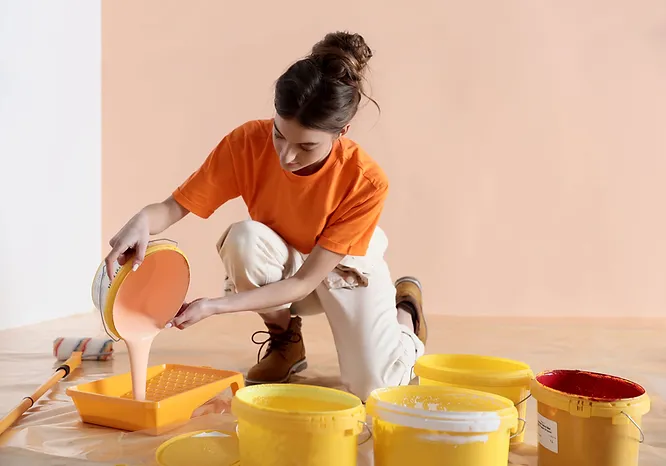
Painting a home—whether one room or an entire property—can dramatically improve its appearance and atmosphere. But achieving a smooth, professional-looking finish requires more than just a tin of paint and a roller. With careful preparation and the right approach, even novice decorators can deliver outstanding results. Here are five essential tips to help you get it right the first time.
1. Prepare the Surface Properly
No matter how high-quality the paint, it won’t adhere well to a dirty, flaky or uneven surface. Begin by cleaning walls to remove dust, grease or cobwebs. Fill any cracks or holes with suitable filler and sand down rough patches for a smooth base. If you’re painting over a glossy or previously dark-coloured surface, applying a primer or undercoat is vital for even coverage and long-term durability.
2. Use the Right Tools for the Job
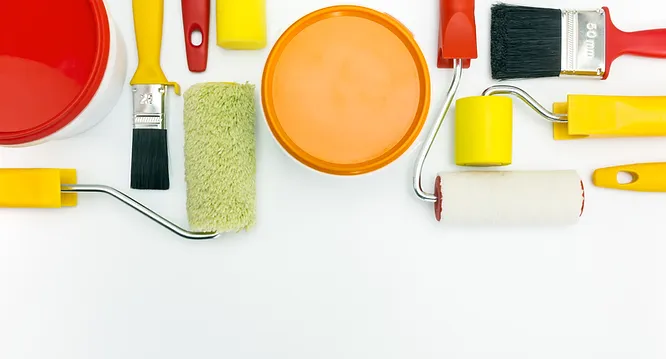
Investing in good-quality brushes, rollers and trays makes a notable difference to the outcome. Use synthetic brushes for water-based paints and natural bristle for oil-based ones. A roller with the correct pile length ensures even application across different surfaces—short-pile for smooth walls, and longer for textured surfaces. Don’t forget masking tape to protect trim and edges, and dust sheets to cover floors and furniture.
3. Choose Paints Carefully
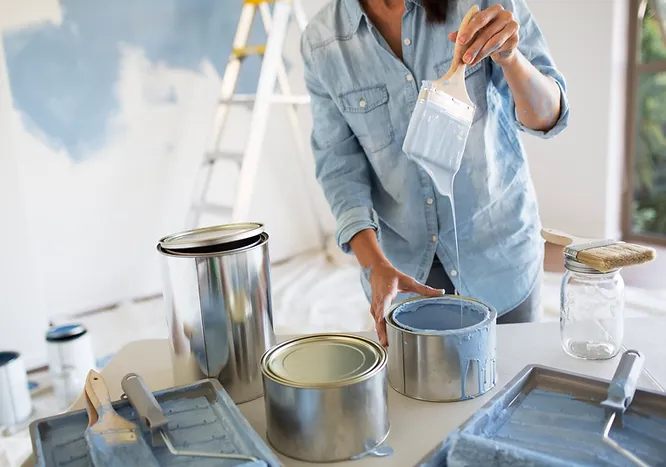
Selecting the correct type of paint for the room and surface is essential. Kitchens and bathrooms benefit from moisture-resistant finishes, while matt or eggshell is often ideal for living areas. Always check whether you’ll need multiple coats and be sure to mix tins together in one large container—known as “boxing” the paint—to ensure colour consistency throughout the space.
4. Work Systematically
Start from the top and work down. Begin with the ceiling, then move to walls, and finally woodwork or skirting boards. Cutting in (painting along edges and corners with a brush) before rolling large areas helps keep lines crisp and consistent. Apply thin, even coats, allowing sufficient drying time between layers—rushing can lead to streaks, drips or peeling.
5. Maintain a Clean Working Area
Clean tools between uses if painting over more than one day, and ensure the space is ventilated to aid drying. Dispose of or store leftover paint responsibly—tight lids and cool, dry storage can prolong usability for touch-ups later. After finishing, remove tape while the paint is still slightly tacky to avoid peeling.
Finishing Touches
Painting can be an immensely satisfying part of home improvement, especially when done with care and attention to detail. By preparing properly, using the right equipment and following a methodical approach, you’ll be far more likely to achieve a smooth, enduring finish that lifts the look and feel of your space.