


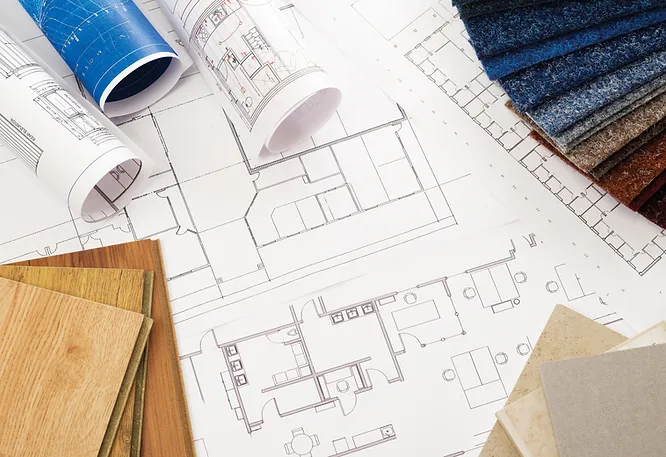
When planning a renovation or extension, start by thinking about how your family uses each space. List your daily routines and who needs what – for example, if you cook and entertain a lot, the kitchen and living areas should connect smoothly. Group related rooms together and set aside quiet zones for bedrooms and study areas. In other words, design your layout around your lifestyle needs.
Define Zones and Flow
Split your home into clear zones. For instance, place busy social spaces (kitchen, dining, living) near each other, and keep private rooms (bedrooms, home office) tucked away. This creates a logical flow. Ensure there are easy walkways – avoid long, narrow corridors or awkward dead ends. You want to move through your home without bumping into furniture or backtracking.
Group rooms by function. Put the kitchen, dining, and family room close together so entertaining and daily life blend effortlessly. Keep bedrooms and bathrooms in their own quiet corner.
Keep circulation simple. Draw a clear path through common areas. An open floor plan can help: it merges living, dining, and kitchen into one large space where people can move around freely.
Separate social and private spaces. Even in an open layout, you can create visual breaks. For example, use a sofa, a bookshelf, or a half wall to mark the edge of the living area without fully closing it off.
Embrace Open and Flexible Layouts
Open floor plans are popular because they make a home feel spacious and allow family members to interact easily. For example, a parent can cook in the kitchen while watching kids in the living room. When choosing an open layout, also plan subtle divisions so the space doesn’t feel like one giant room. Use rugs or furniture to define “zones.” A kitchen island, a change in flooring, or a snug reading corner can give each area its own identity without walls.
Key rules for open spaces: maximize natural light and sightlines. Install large windows or glass patio doors so sunlight pours in and even a small rear extension in London feels airy. Consider adding skylights or tall roof windows in an upstairs extension or loft conversion to brighten dark areas. But remember privacy too – include a separate den or a quiet study alcove where someone can retreat.
Maximize Light and Views
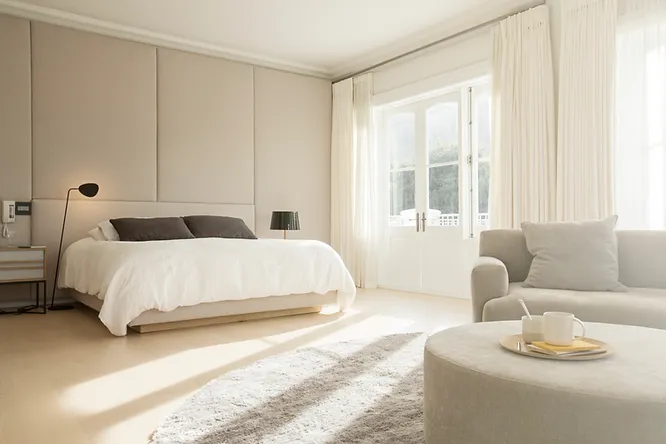
Natural light is a top priority in any floor plan. Place living rooms and kitchens along exterior walls with big windows. In a London house extension or new build, use folding glass doors to open up to the garden or courtyard. This not only brings in daylight but makes the space feel larger by connecting indoors and out. In tight urban homes, even a skinny lightwell or well-placed mirror can bounce light deep into the plan. Always think: can a window or glass door go here to brighten the room?
Smart Space-Saving Tips
City homes often need to use space creatively. If your plot is small, go up or down – a loft or basement conversion follows the same rules: align the most-used room where light can reach it, and keep stairs out of the main living area if possible. Use built-in storage (shelves, benches with drawers) to free floor space. Multi-purpose furniture (like a fold-out table or a daybed) can make a room serve double duty without overcrowding.
Designing Extensions in London
For a house extension in London, careful layout is crucial. Many London terraces add a rear kitchen-diner or loft extension to gain space. When doing this, match the new area to the old: keep ceiling heights smooth, and line up floors. Use large glazed areas or skylights to compensate for narrow footprints. For example, a popular trick is to install wide folding doors at the back so your living area spills into the garden on sunny days. Always consider neighbours – angle windows or choose roof shapes that don’t block light in the next-door homes.
By following these floor plan design rules – grouping rooms by use, allowing clear circulation, bringing in light, and zoning spaces thoughtfully – you’ll create a functional home that fits your life. Sketch your ideas, try simple online plan tools, and refine the layout until it feels right. With good planning, even a busy London renovation or new build can end up as a bright, flowing home.