


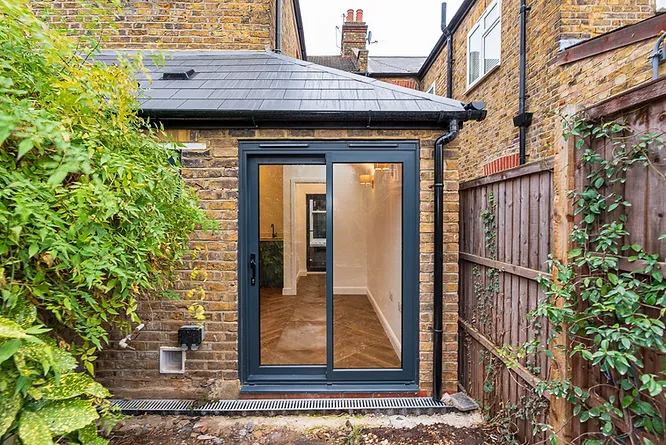
Building a brick extension is one of the most effective ways to add space and value to your home. Whether you’re planning a new kitchen, bedroom, or living area, a well-built brick extension can blend seamlessly with the existing structure while offering durability and strong insulation.
Here’s how the process typically works — and what to consider before you start.
Choosing the Right Material
If your house is built from brick, extending it with the same or a similar material usually gives the best results. Matching the brick type helps the new section connect structurally and visually with the original building. It also ensures that the walls and foundations can be properly tied together.
However, not every extension needs to be made from solid brick. For example, open verandas, porches, or summer spaces often use timber or lighter materials, which reduce costs and require smaller foundations. The key is to choose materials that balance strength, insulation, and appearance for the space you’re creating.
Foundations and Connection to the Main Building
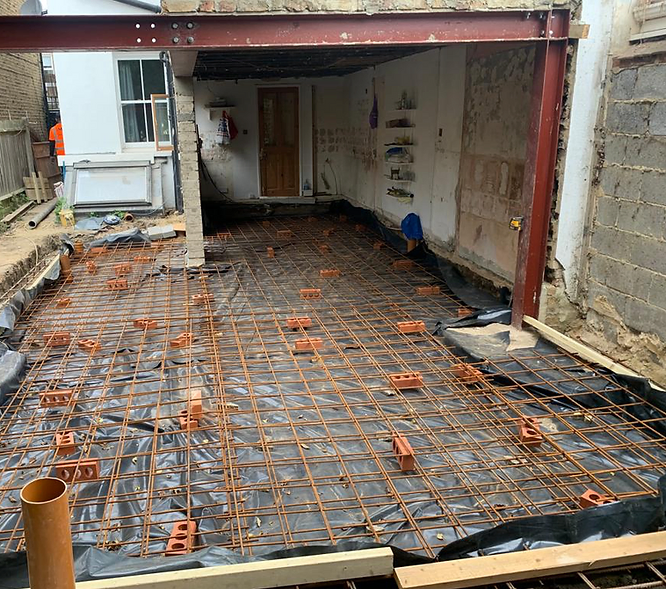
A solid foundation is essential for any brick extension. Its depth and width will depend on the extension’s weight, the soil type, and how it connects to the main house.
For heavier brick structures or two-storey extensions, a continuous reinforced concrete base (strip foundation) is typically used. This should be connected to the original foundation using steel reinforcement bars or wall ties so that both structures move as one.
Lighter structures, such as timber-framed or open extensions, can often sit on simpler concrete pads or column footings. Regardless of the type, the foundation must be level, stable, and properly waterproofed before wall construction begins.
Building the Walls
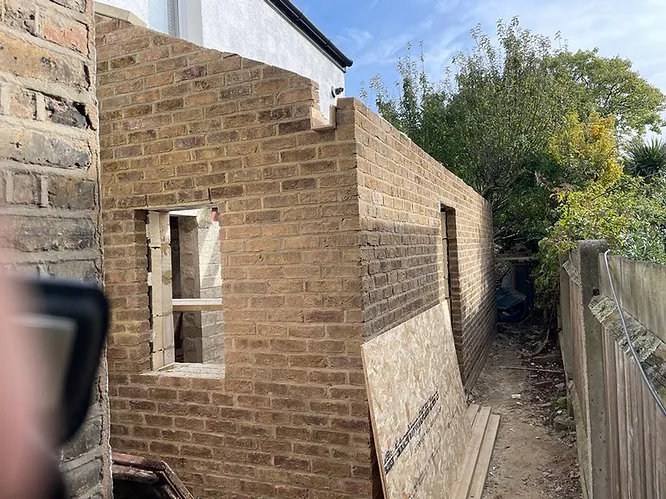
Bricklaying for the extension follows the same method as the main house. The new walls are bonded or tied to the existing walls using metal ties or toothing techniques for strength and stability.
If the new space is designed for year-round use, the walls should be insulated to the same standard as the rest of the property. Matching the colour, texture, and bond pattern of the original brickwork creates a cohesive look, while cavity insulation helps maintain consistent indoor temperatures.
In cases where lighter block materials (such as aerated concrete) are used for cost or thermal reasons, the exterior can be rendered or clad in brick slips to maintain visual harmony.
Roof Design and Integration
The roof should complement the main building in both form and finish. Matching the pitch, materials, and colour of the existing roof helps the extension appear as a natural continuation rather than an addition.
Most brick extensions feature a pitched roof for efficient drainage and visual balance, though flat or lean-to designs can also work well for single-storey builds. Proper flashing and sealing where the new roof meets the old structure are essential to prevent leaks and ensure longevity.
Finishing and Aesthetic Details
A successful brick extension looks and performs like part of the original home. Matching external finishes — such as brickwork, render, or roofing tiles — creates visual consistency, while interior finishes should align with the home’s existing style.
Don’t overlook smaller details like guttering, window frames, and doors; consistent design choices can make a major difference in how well the extension integrates with the property as a whole.
In Summary
A brick extension offers a durable, attractive, and permanent way to expand your living space. By matching materials, securing proper foundations, and paying attention to design details, you can create an addition that looks and feels like it’s always been part of your home.
Whether it’s a compact side return or a full two-storey extension, careful planning and skilled construction will ensure the new space enhances both your comfort and your property’s long-term value.