


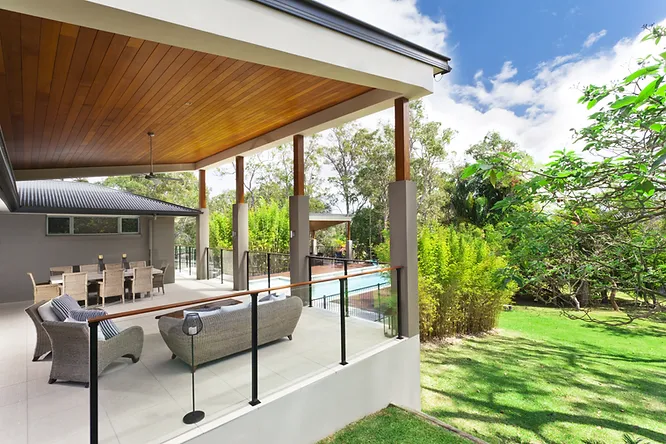
Outdoor living has evolved far beyond patios and garden chairs. In today’s home design—especially in cities like London—outdoor areas are becoming seamless extensions of the home. When done well, they add function, comfort, and long-term value.
More Living Space, Same Footprint
Space is precious in urban homes, and every square metre counts. Thoughtfully designed terraces, balconies, and gardens can make even compact plots feel expansive. By linking indoor and outdoor zones—using matching flooring, level thresholds, and complementary finishes—you create a fluid, usable space that feels unified and practical.
Design with Purpose (and Weather in Mind)
Outdoor areas should be as intentional as indoor rooms. That means planning for year-round use, with features that balance style and durability.
Cooking and Dining Outside
Gone are the days of a rusting barbecue in the corner. Modern outdoor kitchens include integrated worktops, weatherproof storage, and lighting that makes evening entertaining easy. Add a covered dining space and you’ve got a second dining room that works in three seasons.
Light, Heat, and Comfort
Fire pits, outdoor heaters, and ambient lighting stretch your outdoor hours well into the cooler months. The key is to keep everything in harmony with your home’s design—blending structure, scale, and materials so nothing feels out of place.

Seating that Works
Modular furniture lets you reconfigure your outdoor lounge for quiet mornings or full house parties. Look for low-maintenance pieces in aluminium, treated timber, or all-weather rattan—stylish, sturdy, and suited to the British climate.
Smart Technology Outdoors
Discreet tech—think app-controlled lighting, built-in speakers, and programmable heaters—can make your outdoor setup as comfortable and intuitive as your lounge. All designed to cope with the elements, without looking clunky or temporary.
Built to Last
The best outdoor spaces start with the right materials. Composite decking, natural stone, and pressure-treated timber are all solid options for London’s variable weather. Just as important: sound drainage and proper foundations to avoid future issues.
Landscaping plays a huge role, too. Raised beds, paving patterns, or pergolas can zone the space naturally—while planting and vertical greenery soften hard edges, add privacy, and create a more inviting feel.
Sustainability That Works
Eco-friendly doesn’t mean compromise. Solar-powered lights, recycled composite materials, and permeable paving all reduce environmental impact without sacrificing function. It’s a smart move for the long-term—and increasingly popular with buyers, too.

Why It’s Worth It
A well-executed outdoor space can:
Add usable living space without extending the footprint
Boost comfort, flexibility, and resale value
Encourage time outdoors and a stronger connection to nature
Help your home stand out in the market
Final Thoughts
Outdoor living isn’t just about aesthetics—it’s about living better in the space you have. With the right planning, materials, and vision, your outdoor area can become a hardworking part of your home. Whether you’re building from scratch or upgrading a garden, it’s an investment that pays off in lifestyle and value.