


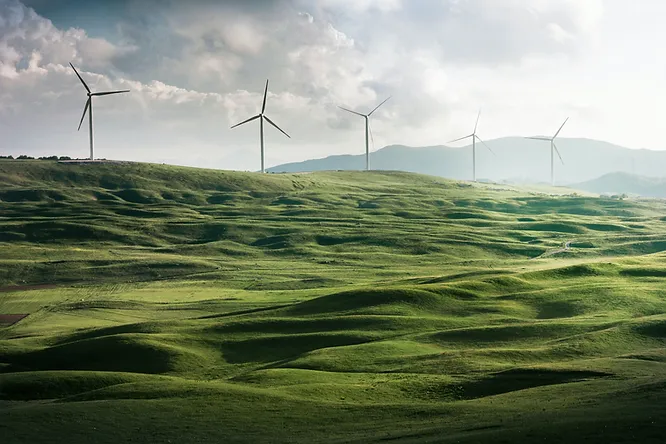
Sustainability is becoming an integral part of modern construction. As awareness of environmental impact grows, more projects are being designed with efficiency, durability, and long-term performance in mind. Eco-friendly construction isn’t about following a trend — it’s about building smarter, using materials and methods that work well for both people and the environment.
A Shift in Building Practices
Traditional construction can consume significant energy and resources, from material production to on-site waste. In contrast, sustainable building focuses on efficiency — reducing waste, improving insulation, and extending the lifespan of materials and structures.
This shift doesn’t necessarily mean every new build must be entirely “green.” Instead, many homeowners and contractors are choosing to incorporate sustainable principles where practical — whether through energy-saving measures, recycled materials, or better planning.
Smarter Materials and Better Use of Resources
The materials used in a build can make a substantial difference. Recycled steel, reclaimed wood, and responsibly sourced timber are becoming more common, alongside modern options such as bamboo, cork, or composite materials.
These products reduce reliance on new raw resources and can improve insulation and indoor comfort. The growing variety of materials now available means sustainability can often be achieved without compromising on strength or design quality.
Energy Efficiency and Design
Energy efficiency remains one of the most effective ways to make buildings more sustainable. Good insulation, high-quality windows, and airtight construction all help reduce heating and cooling costs while maintaining a comfortable indoor environment.
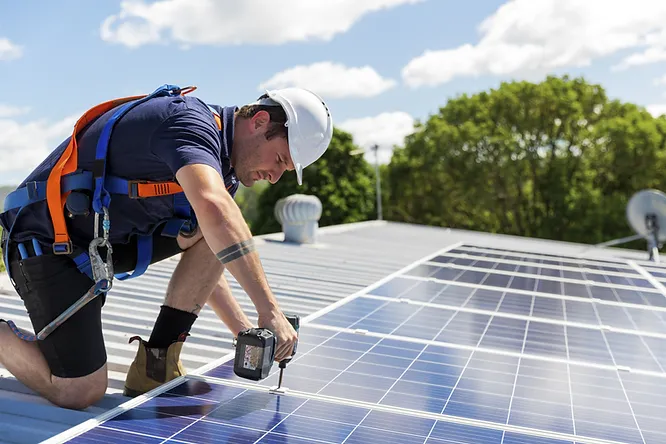
Some designs also incorporate passive heating or natural ventilation, while others include renewable energy systems such as solar panels or heat pumps. Even small adjustments — from efficient lighting to smart heating controls — can make a meaningful difference to long-term running costs.
Local Builders and Practical Solutions
For homeowners considering sustainable upgrades, local builders play a key role. They understand the local climate, planning regulations, and supply options, making it easier to adopt suitable materials and energy-efficient features without overcomplicating the project.
Sustainability doesn’t always mean starting from scratch. Many local contractors now integrate eco-conscious methods into standard extensions, refurbishments, and renovations, helping homeowners make practical, incremental improvements over time.
Balancing Cost and Benefit
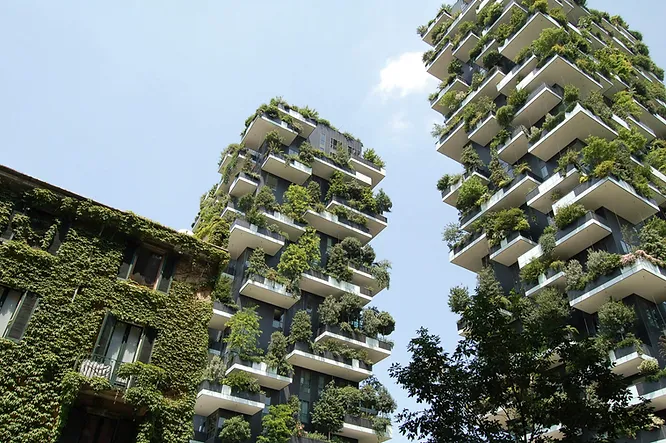
While sustainable materials or technologies can involve higher upfront costs, they often reduce maintenance and energy expenses in the long run. The key is finding the right balance — prioritising measures that make practical and financial sense for the property.
As materials become more accessible and awareness grows, sustainable construction is likely to continue evolving — not as a niche choice, but as a natural part of responsible building.