


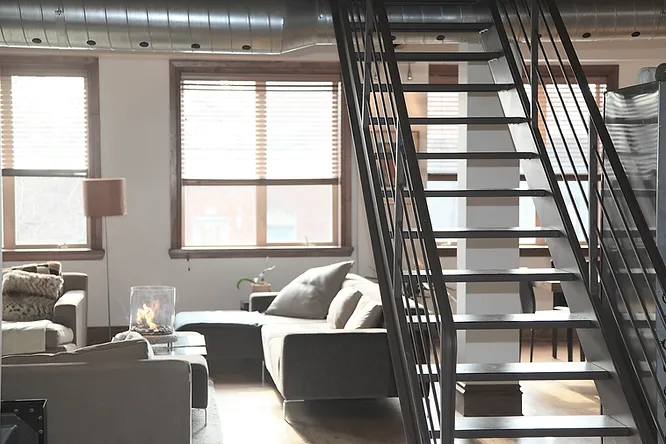
Converting your loft is one of the most practical ways to unlock extra living space and boost your home’s value — especially in cities like London, where space is at a premium. Whether you’re after a new bedroom, a home office, or a quiet retreat, there’s more than one way to make the most of your attic. Here’s a straightforward guide to the most common loft conversion types, and what they can offer.
Dormer Loft Conversion
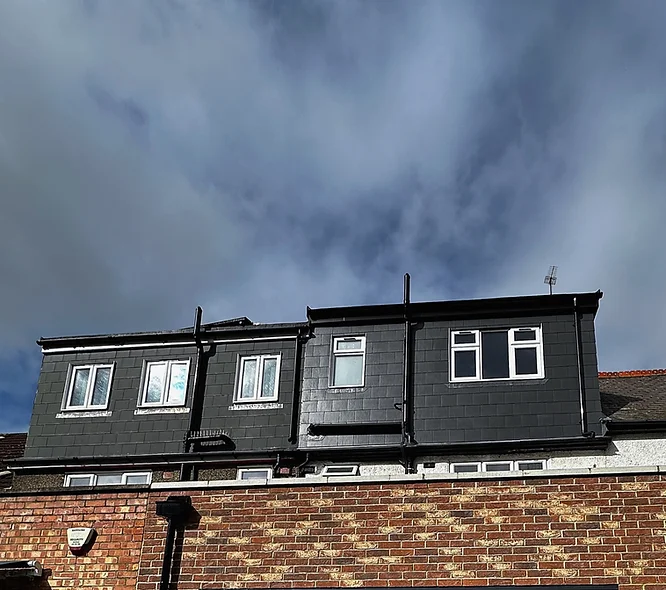
The most popular choice for good reason. A dormer extends out vertically from your existing roof, creating a box-like structure with straight walls and a flat or pitched roof. This adds usable floor space, improves headroom, and allows for full-size windows — ideal for a bright, spacious new room.
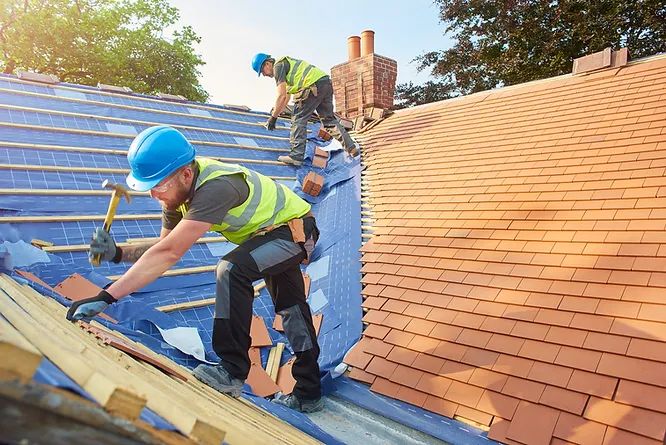
Common variations:
Pitched Dormer – Keeps the roofline more in tune with traditional architecture.
L-Shaped Dormer – Great for larger or extended properties where maximum space is the goal.
Dormers are highly versatile and suit most house types, making them a go-to option for homeowners looking for a strong balance between space and cost.
Velux (Rooflight) Conversion
The simplest and most cost-effective route. A Velux conversion doesn’t alter the roof shape — instead, it adds skylight-style windows into the existing slope. It’s ideal if your loft already has enough height and you’re aiming for minimal disruption and maximum natural light.
These conversions often fall under permitted development and don’t typically require planning permission, making them a quick win for a home office, studio or extra bedroom.
Mansard Loft Conversion
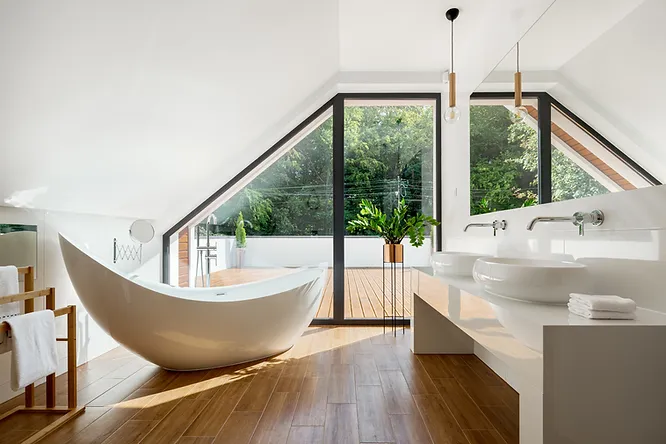
The most extensive transformation. Mansard conversions involve reshaping the roof to create a flat-topped structure with steep sides, essentially adding a whole new storey to your home.
This design gives you the most internal space and full-height ceilings, perfect for large bedrooms, en-suites, or even multiple rooms. It often requires planning permission and comes with a higher price tag, but the results are impressive.
Hip-to-Gable Conversion
Ideal for semi-detached or end-of-terrace houses with sloped (“hipped”) roofs. This type of conversion replaces the sloping side with a vertical wall — the “gable” — increasing floor area and allowing for better layout options.
Often combined with a rear dormer for even more space, a hip-to-gable conversion creates a more symmetrical and spacious loft, perfect for larger bedrooms or a loft with a staircase and landing.
Small or Simple Loft Conversions
Don’t overlook modest solutions. If your attic space is limited or your budget is tight, a simple rooflight conversion or partial dormer can still make a big impact. Think guest room, study, or playroom — with smart design choices, even small lofts can become valuable spaces.
Final Thoughts
Every loft conversion type has its own strengths. The right one for you will depend on your roof structure, space needs, budget, and whether planning permission is required. With the right design and professional support, your loft can be transformed into a stylish and functional part of your home — without compromising its character.